Expert Tips to creating a functional and attractive yard
Enhance Your Outdoor Environment With Professional Landscaping Options
Creating exterior areas through professional landscaping services can greatly enhance a property's appeal. Homeowners often underestimate the potential of their yards. A strategically planned outdoor design not only boosts aesthetics but also increases property value. Key elements like pathways and seating areas play an important function. However, grasping how to realize this change requires careful consideration of numerous factors. What should homeowners concentrate on when starting on this journey?
Do you Having trouble Making Your Yard Attractive?
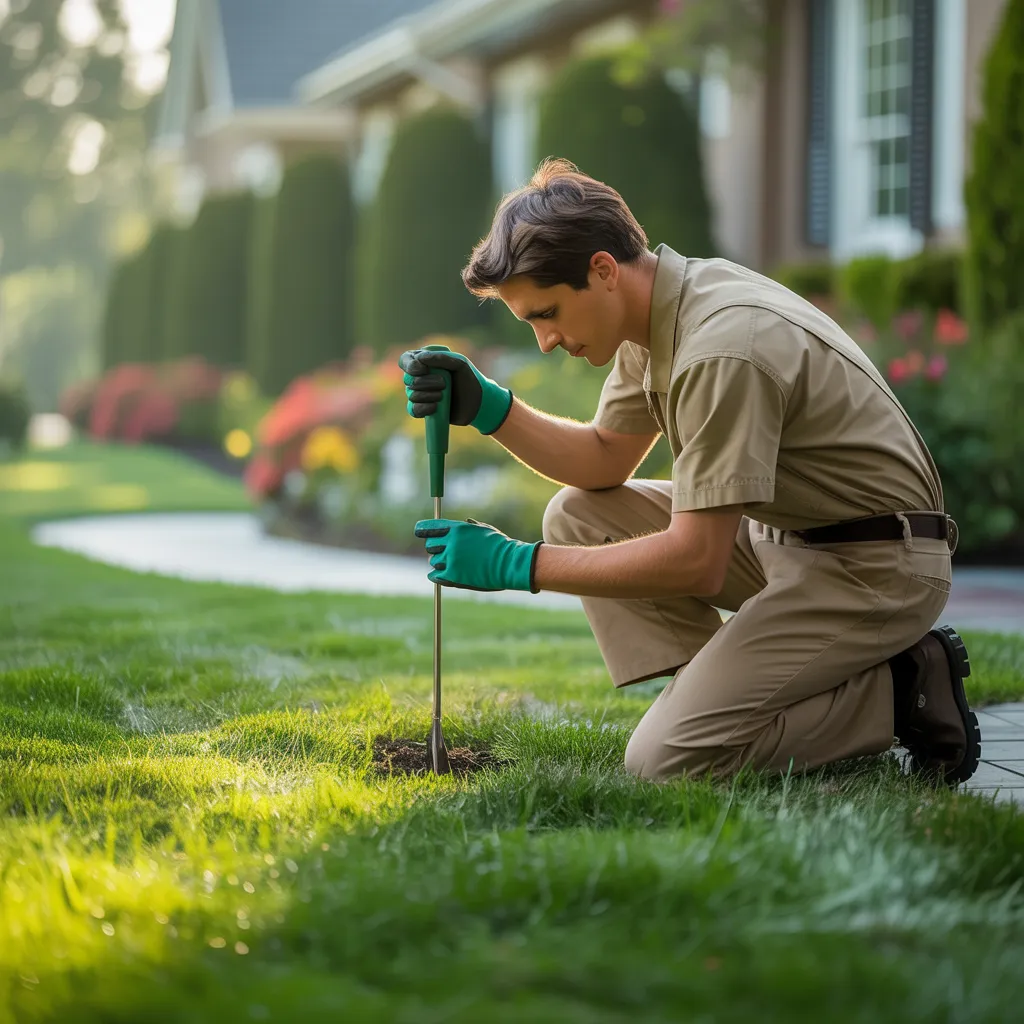
Are you unsure about how to convert your yard into a welcoming space? Many individuals face challenges in creating an inviting outdoor environment. A thoughtfully planned yard functions as an continuation of the home, offering a peaceful sanctuary and a place for entertaining guests. However, cluttered landscapes, unkempt lawns, and poorly chosen plants can diminish this vision.
Incorporating design elements such as trails, seating areas, and assorted plants can significantly boost a yard's attractiveness. Professional landscape companies can deliver knowledgeable guidance on organization and vegetation choices, making sure that all components blend seamlessly. Additionally, they can assist in spotting design elements like water features or lighting that can boost the mood. By dedicating resources to these services, homeowners can establish a environment that represents their preferences while fostering peace and contentment. Ultimately, the purpose is to fashion a outdoor space that appears unified, efficient, and attractive to both inhabitants and visitors.
Increasing Real Estate Worth By Landscape Improvements
A well-maintained yard both improves visual charm but also greatly boosts property value. Property owners who allocate funds toward expert landscape design can expect a considerable return on their investment. Attractive landscaping creates a friendly atmosphere, making properties more appealing to interested purchasers. Features such as groomed grass, vibrant flower beds, and well-placed trees can boost the overall style and ambiance of a property.
Also, landscaping improves street-side appearance, which is vital in real estate marketing. Properties with inviting outdoor spaces often move quicker in the market and at higher prices. Additionally, expertly planned outdoor areas can optimize energy efficiency by providing shade and cutting cooling costs.
Investing in landscaping not only renovates the outdoor space but also cultivates a sense of satisfaction in owning a home. Ultimately, a carefully designed yard functions as a worthwhile investment, improving both the enjoyment of the space and its resale worth.
Critical Qualities of a Superior Landscape Project
A accomplished landscape design integrates functional outdoor spaces that enhance usability and flow. Additionally, the selection of aesthetically pleasing plants plays an critical role in creating visual appeal. Together, these elements work to a harmonious and inviting environment.
Well-designed Outdoor Zones
As creating a thriving landscape design, it is critical to evaluate the functionality of outdoor spaces. Excellent landscaping should accommodate various activities, such as entertaining, gardening, and relaxation. Deliberate placement of features like patios, walkways, and seating areas strengthens accessibility and promotes ease of movement. Including elements such as outdoor kitchens or fire pits can extend the usability of these spaces, making them perfect for gatherings. Additionally, evaluation of sunlight and shade patterns is important; this guarantees areas remain comfortable throughout the day. Comprehensive drainage and irrigation systems are also important for maintaining healthy plants and preventing damage. Ultimately, a well-designed functional outdoor space elevates the property's value and provides a harmonious environment that meets the needs of its users.
Visual Plant Selections
Opting for vegetation in a landscape design is key, as their aesthetic appeal can significantly influence the overall atmosphere of the space. A thoughtful plant palette enhances visual interest and creates harmony within the environment. Professionals often consider factors such as pigment, composition, and seasonal modifications to achieve a unified look. For instance, incorporating a mix of flowering plants and evergreens can provide perennial beauty. Additionally, the scale and placement of plants must coordinate with architectural elements and existing features to avoid overcrowding. Ultimately, choosing plants with aesthetic intent not only beautifies but also complements the functionality of outdoor areas. By prioritizing these aspects, landscape designers can transform any outdoor space into an enchanting retreat.
Developing Functional Outdoor Living Environments
Designing functional outdoor living spaces necessitates careful consideration of how to maximize available space while enhancing aesthetic appeal. By integrating organic features, these designs can create harmonious environments that invite relaxation and social interaction. Effective landscaping transforms outdoor areas into valuable extensions of the home, catering to both practicality and beauty.
Maximize Usable Space
Making the most of existing space in outdoor living areas can significantly boost both usability and aesthetic value. Professional landscaping services provide creative solutions to transform compact yards or gardens into flexible spaces. By adding multi-functional furniture, such as benches with storage or foldable tables, homeowners can maximize their outdoor environments. Effective zoning through the strategic positioning of plants, pathways, and seating areas creates distinct yet unified spaces, suited for multiple activities. Vertical gardening methods, like wall planters or trellises, further utilize limited ground area while incorporating greenery. Also, adding built-in elements such as fire pits or outdoor kitchens can produce warm, inviting spaces that foster social interaction. Careful design ensures every inch has a role, making the most of the outdoor space.
Boost Aesthetic Attractiveness
Transforming outdoor living spaces into visually stunning places requires a trained perspective for design and precision. Professional landscaping services emphasize creating harmonious layouts that integrate practical use with aesthetic charm. By weaving in elements such as pathways, seating areas, and ambient illumination, these services amplify the overall appeal of outdoor spaces. Thoughtful selection of pigments and materials plays an important role; for instance, using matching plant choices and stylish hardscapes can magnify the visual experience. Additionally, incorporating focal points, such as decorative planters or art installations, attracts the eye and beckons exploration. Ultimately, a well-designed outdoor space beyond serves everyday functions but also provides a tranquil retreat, enhancing the homeowner's enjoyment and affinity to their natural setting.
Combine Natural Components
Establishing a tranquil garden setting involves not only aesthetic qualities but also the inclusion of environmental elements that strengthen efficiency. Landscape design experts can effectively incorporate components such as native flora, water installations, and rock pathways. These components not only improve the garden appearance but also provide functional value, such as controlling soil loss and fostering wildlife habitats for indigenous wildlife.
Strategically adding trees and shrubs can provide shade, lowering energy costs and creating comfortable meeting spaces. Additionally, integrating features like rain gardens can manage stormwater effectively, advancing sustainability. By blending these natural components, landscapers can create outdoor living spaces that are both visually appealing and practical, fostering a deeper connection between people and their environment while improving the overall quality of explore this outdoor life.
Explore Green Garden Methods
As environmental concerns become increasingly vital, many homeowners and businesses are shifting toward sustainable landscaping practices to strengthen their yard areas. These practices center on ecological health, reduce energy and material usage, and promote biodiversity. One proven technique is incorporating native plants, which call for less water and maintenance while bolstering area fauna. In addition, deploying natural fertilizers and biological pest management can decrease harmful chemical leaching, promoting a healthier environment.
Rain gardens and permeable paving are also essential techniques, as they manage stormwater runoff and minimize erosion. Implementing xeriscaping can significantly decrease water usage by creating landscapes that thrive in local climate conditions. Moreover, composting organic waste improves soil quality and decreases landfill contributions. By implementing these sustainable practices, property owners not only develop beautiful landscapes but also support environmental preservation and resilience. Through careful consideration and execution, sustainable landscaping becomes a vital tool for promoting a greener future.
What to Look for in a Landscape Company?
When seeking a outdoor design service, what essential characteristics should house owners prioritize? First, they should locate a company with a impressive portfolio featuring varied work, revealing artistic skill and flexibility. Client feedback and reviews from prior customers offer perspective into the company's dependability and workmanship. Additionally, verifying licenses and qualifications ensures that the service adheres to industry standards and local regulations.
Homeowners should also think about the company's track record with green initiatives, as environmentally conscious landscaping is increasingly important. Direct communication is vital; a reliable provider will understand the homeowner's objectives and suggest expert insights. Finally, requesting detailed proposals that detail costs and services helps steer clear of unexpected expenses. By highlighting these qualities, homeowners can identify a landscaping service that improves their outdoor spaces successfully and professionally.
Popular Questions Posed Regularly
What Length of Time Does a Standard Landscaping Project Require to Complete?
A typical landscape design can take anywhere from a few days to multiple weeks, depending on the complexity, size of the area, and particular needs. Timelines vary significantly based on the scope of work included.
How much does the average cost for professional landscaping work total?
Professional landscaping services typically average anywhere from $1,500 to $5,000, contingent on project scope, materials, and location. Custom designs or major projects can considerably increase overall expenses, demonstrating individual project requirements.
Can Landscaping Maximize My Home's Energy conservation?
Yes, landscape architecture can maximize a home's energy efficiency. Strategically situated trees and shrubs generate shade coverage, prevent heat buildup, and reinforce thermal insulation, ultimately slashing utility expenses and furthering a more eco-responsible living environment.
Do a Approval Necessary for Landscaping Alterations?
In many areas, a license is required for significant landscaping modifications, such as installing structures or altering drainage. It's recommended for homeowners to check local regulations and consult with authorities to ensure compliance.
What Regular Maintenance Is Essential After Landscaping Is Completed?
Seasonal care following landscaping involves regular mowing, pruning, mulching, and watering. Additionally, fertilization and pest control may be needed, together with seasonal clean-up to guarantee the landscape remains healthy and pleasing throughout the year.